Valorant aim that stays calm in 2026 comes down to settings, crosshair and Phoenix discipline
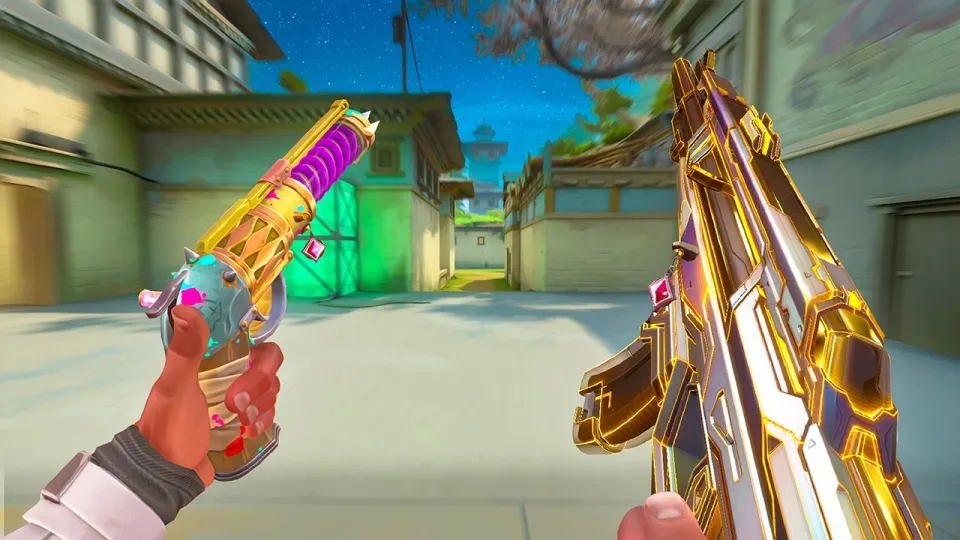
Video: low cortisol aim..
Need articles like this for your video? They help promote it on YouTube and Google — order them in the Telegram bot @sat_sit_bot. Articles with your video embedded are written and posted by the bot itself — on popular topical sites (no ads). Try it free: 50 articles on us.
· based on the channel Rawzu
Key takeaways
- Rawzu runs 400 DPI at 0.625 sensitivity in Valorant, roughly 250 eDPI.
- Resolution is 1440x1080 stretched, crosshair code 1-6-2-2.
- Gear: Logitech G Pro X Superlight 2, Artisan Zero Soft pad, Zowie XL2566K 360Hz monitor.
- The channel's focus is Phoenix, a duelist built on Blaze walls, Curveball flashes, Hot Hands and Run It Back.
- Steady aim in Valorant comes from repeatable setup and movement discipline, not from flick speed.
Valorant aim that looks calm rather than frantic comes from a repeatable setup plus disciplined movement, and Rawzu's low cortisol approach is a practical example: 400 DPI at 0.625 in-game sensitivity, a 1440x1080 resolution, crosshair 1-6-2-2, a Logitech G Pro X Superlight 2 on an Artisan Zero Soft pad and a Zowie XL2566K at 360Hz. If you want the same baseline for your own machine, start with the PC optimization link the channel shares — optimize your PC for Valorant — and then copy the habits below rather than the numbers alone.
The clip itself is a Phoenix showcase, and that matters more than it sounds: the agent's kit rewards players who keep their hands quiet and their decisions early. Blaze cuts sightlines, Curveball blinds through corners, Hot Hands heals and damages, and Run It Back lets a duelist take a first fight and come back for a second. Calm aim in Valorant is mostly the visible result of those choices being made before the crosshair moves.
What low cortisol aim actually means in Valorant
Low cortisol aim is a style where the player removes unnecessary motion: no panic flicks, no over-correction, no constant micro-adjusting while holding an angle. The phrase describes a mood as much as a technique, and it shows up in three concrete places — how the mouse is gripped, how the character strafes, and how quickly the player commits to a shot.
In practice the style rests on a few rules that any Valorant player can copy:
- Set one sensitivity and keep it for weeks, not hours. Rawzu's 400 DPI at 0.625 equals about 250 eDPI, a low-to-mid range that favors control over speed.
- Crosshair placement does the aiming. Pre-aim head level at the angle you expect, then let the enemy walk into the crosshair.
- Stop before you shoot. Counter-strafe to a full stop, fire, then move again; running and gunning is the opposite of calm aim.
- Keep the arm relaxed and the wrist loose. Tension in the forearm is what produces the shaky sprays viewers notice in highlight clips.
The exact Valorant settings behind the clip
The setup in the video description is short and specific, which makes it easy to test. Sensitivity is 400 DPI with 0.625 in-game, resolution is 1440x1080, and the crosshair is 1-6-2-2 — a small, tight shape that keeps the center of the screen readable on a stretched aspect ratio.
Hardware follows the same logic of consistency over novelty:
- Mouse: Logitech G Pro X Superlight 2, a lightweight wireless shape that suits low-sensitivity arm aiming.
- Mousepad: Artisan Zero Soft, a control-oriented cloth pad that adds stopping friction.
- Monitor: Zowie XL2566K at 360Hz, which reduces the delay between what happens on screen and what the hand does.
A stretched 1440x1080 resolution widens enemy models slightly, which many Valorant duelist players prefer for close-range fights. The trade-off is a narrower field of view horizontally compared with 16:9, so peripheral awareness has to come from minimap checks and sound rather than from the edges of the screen.
Why Phoenix fits a calm aim style
Phoenix is an offensive Valorant duelist who specializes in hunting enemies while crippling their ability to fire back, and that kit removes a lot of the panic that produces messy aim. Blaze creates a wall that blocks vision and deals damage, so Phoenix can cross open ground that would otherwise be a death sentence. Curveball blinds enemies even when they are tucked behind corners, which means the first shot is often taken against a player who cannot see.
Hot Hands and Run It Back make the agent durable: one gives healing and area damage, the other lets Phoenix die, respawn at the marker and re-enter the fight. The practical effect is that a Phoenix player can afford to take the first duel, reset, and take a second one — the opposite of the nervous, one-chance spray that ruins aim under pressure. Players who like to play aggressively get the most out of the agent, but the aggression works best when the flash and the wall go out before the peek, not after it.
Movement habits that keep the crosshair steady
The most common compliment under clips like this one is not about aim but about movement, and that is the right instinct: in Valorant, movement is what makes aim look clean or chaotic. A few habits do most of the work.
- Counter-strafe instead of sliding. Tap the opposite key to stop instantly, then fire; the crosshair settles because the character is not drifting.
- Peek with intent. Wide-swing when you have information, shoulder-peek when you do not, and never walk into an angle while holding a spray.
- Use abilities to buy time. A Phoenix flash or wall gives you a half-second to place the crosshair before the fight starts.
- Keep the same grip and posture. Changing how you hold the mouse between sessions is a bigger accuracy loss than changing sensitivity.
Common questions from the comments, answered
Viewers regularly ask whether a setup like this is transferable, and the honest answer is that the numbers are a starting point, not a guarantee. A low eDPI value such as 250 rewards arm aiming and a large desk area; if your mousepad is small or your desk is cramped, a slightly higher sensitivity will be more comfortable and ultimately more consistent.
Another recurring theme is the stretched resolution. 1440x1080 makes targets wider, which helps with close-range tracking and flick confidence, but it costs horizontal vision. Players who hold long angles on maps like Icebox often prefer a wider aspect ratio, while entry-focused duelists lean toward stretched.
The third frequent question is about gear. A 360Hz monitor and a control pad help, but they do not create calm aim; they only remove excuses. A stable frame rate matters far more than a premium mouse, which is why the channel points viewers toward PC optimization before anything else.
Useful links
- Optimize your PC for Valorant — the setup tool the channel recommends before you touch sensitivity.
- Rawzu's original music on Spotify — the artist page behind the tracks used in the videos.
- Rawzu Discord — community server for clips, settings talk and queue partners.
Final thoughts on Valorant calm aim
A calm Valorant aim style is built from small, boring decisions: one sensitivity held for months, a crosshair you can actually see, a mousepad with stopping power, and the discipline to stop moving before firing. Rawzu's Phoenix clips are a useful demonstration because the agent's flashes and walls create the conditions for clean shots instead of lucky ones. Copy the settings as a baseline, then spend your practice time on counter-strafing and pre-aim, which is where most of the visible improvement comes from. The channel Rawzu is worth following if you want more of this style in motion, and the PC optimization link is the first step if your frame rate is the thing holding your aim back.
Source: low cortisol aim.. · Markdown version
Questions & answers
What sensitivity does Rawzu use in Valorant?
The setup listed with the video is 400 DPI with 0.625 in-game sensitivity, which works out to roughly 250 eDPI. That is a low-to-mid range that favors control and arm aiming over fast wrist flicks. It pairs with a 1440x1080 resolution and crosshair 1-6-2-2.
Is 1440x1080 stretched good for Valorant?
It widens enemy models and makes close-range fights feel more forgiving, which suits duelist players who take first contact. The cost is horizontal field of view, so long angles and peripheral awareness suffer slightly. Try it for a week and compare your entry-fight stats before committing.
Do I need a 360Hz monitor and an Artisan Zero to aim calmly?
No. A high refresh rate monitor and a control mousepad reduce friction, but they do not create consistency on their own. A stable frame rate, a sensitivity you keep for weeks and disciplined counter-strafing matter far more than premium hardware.
Why does Phoenix suit a calm aim playstyle?
Phoenix's Curveball blinds enemies even behind corners and Blaze blocks vision, so the first shot is often taken against a player who cannot see you. Hot Hands and Run It Back add healing and a second life, letting you take a duel, reset and re-enter instead of panic-spraying.